It’s still pretty dark, and I’m not sure if it’s getting lighter or if my eyes have just adjusted to the darkness. I try to control my heavy breathing to better hear the sounds around me. It’s mid-September, and the season’s first rain hasn’t arrived yet. It might be a week too early for the peak of the rut, but it’s better to be slightly early than late. I’m hoping to hear something before the light fully breaks so I can quickly position myself under the cover of darkness. Far in the distance, I think I hear a roar. It’s far away—was it a roar, or is my mind playing tricks on me?
I let out a smooth positioning roar, hoping for a reply to pinpoint the stag more precisely. Although I love the interactive part of calling deer, stags are much harder to call in than elk. Hinds are quieter, and stags seldom respond to challenge calls. Nonetheless, it’s my preferred hunting method, and I persist with the calls. Sure, it may not be the most efficient method, and using a bow isn’t either.
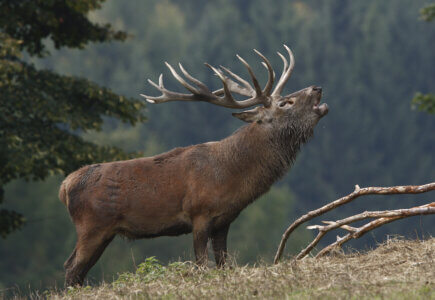
What sets apart the class of stag you’re chasing is their mood. The king of the mountain doesn’t need to prove anything; his dominance is recognized. He simply needs to roar occasionally to remind everyone of his presence. Stags entering their prime, however, are show-offs. They seek attention, are more active, respond quicker, and roar more frequently. The youngest stags remain silent, hoping to steal away a hind unnoticed.
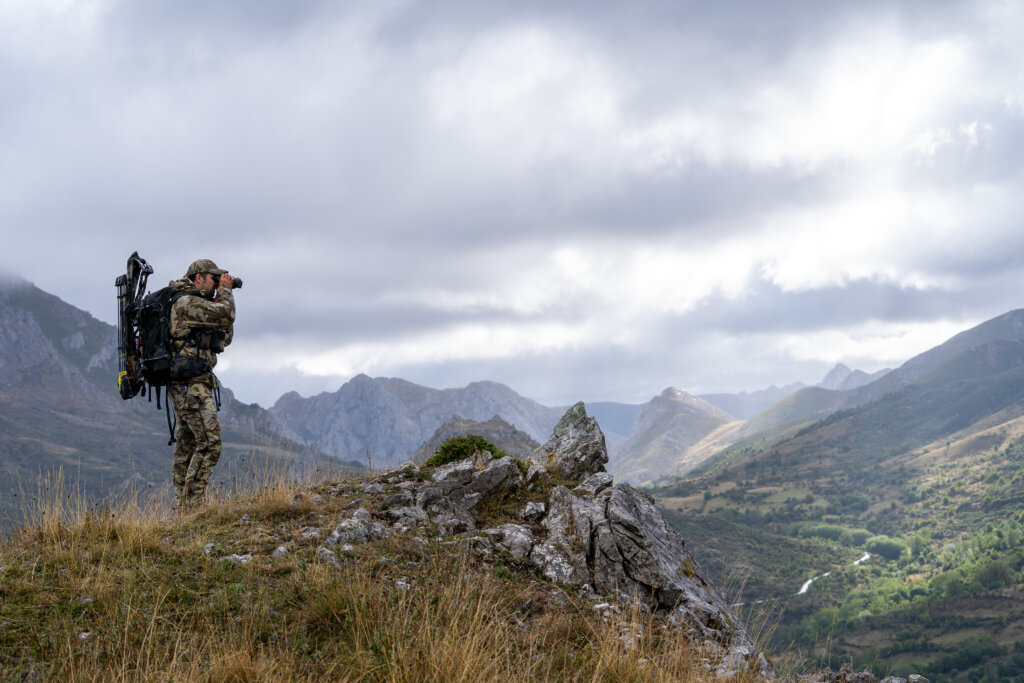
The instinct is to respond to a roar by charging in after it. However, by the time you arrive, the stag will have likely moved on. You’ll usually end up chasing it around and wasting time. Often, they know you’re following and maintain a safe distance from you and their herd. I learned over the years to treat this like a chess match. It’s not about pursuing the stag directly but anticipating future movements. Like in chess, the key is to predict moves ahead of time, not merely react to immediate threats.
Understanding the terrain, situation, and the stag’s behavior is crucial in this chess match. Is he heading to bed or coming out to feed? Is he alone or with hinds? If with hinds, what will the hinds do? Stay a few moves ahead.
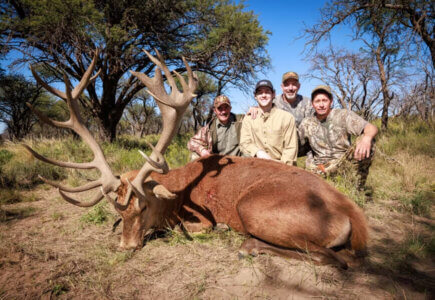
While New Zealand is often the first place people think of for stag hunting, these animals are originally from Europe and are found across the continent. In Spain, the Iberian stags are slightly smaller and have a softer roar compared to their central European counterparts.
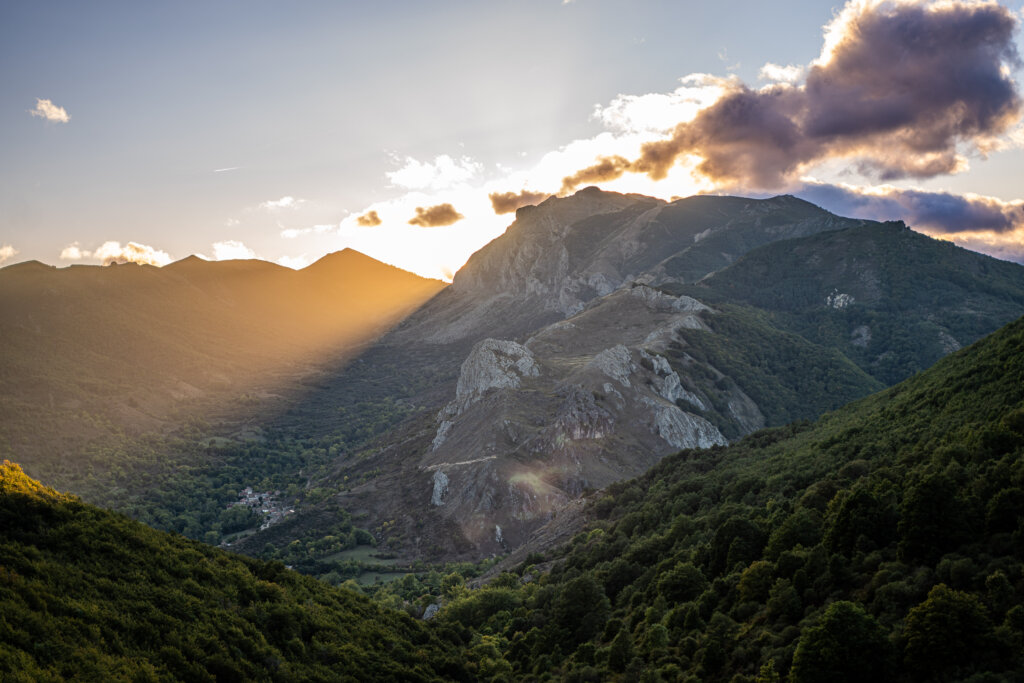
At first light, the stag begins to climb the mountain, herding his four hinds and searching for a bedding spot. We catch a glimpse of him—he’s magnificent. Without hesitation, we move to gain altitude before the thermals shift.
Most hunting grounds in Spain are privately owned by various countryside towns. Through auctions, these communities lease hunting rights to individuals. Hunters must comply with the regulations set by the government wildlife agency, which determines appropriate quotas based on population, habitat, and available food resources. This system ensures the responsible management of wildlife over a typical 10-year lease term.
Unlike in America, leaseholders can resell tags to other hunters, use them personally, or even rent out areas for small game hunting. The potential is endless within this system.
Hunting in Spain can be expensive as prices vary with demand. But for those who can afford it, it offers the freedom to hunt extensively without participating in a tag lottery or draw. This freedom makes Spain an ideal place for passionate hunters.
As we lose sight of the stag bedding in a cluster of trees and bushes, we pause, allowing the wind to settle before closing the distance. I’m not particularly fond of stalking bedded animals, as they’re constantly on alert. But not everything can be perfect.
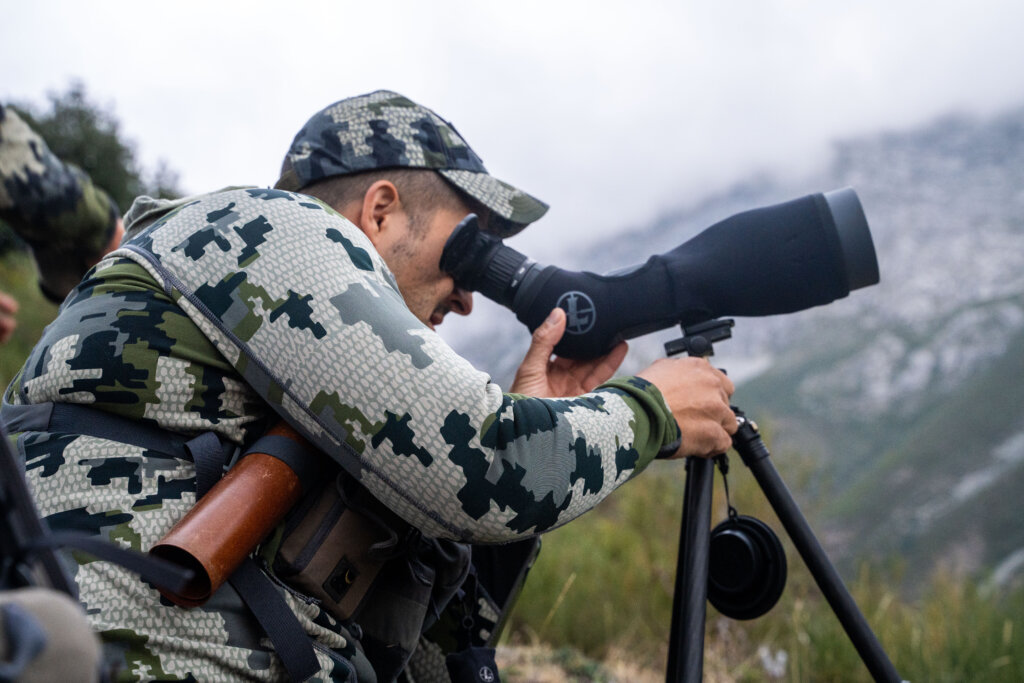
I decide to approach alone, advancing slowly. Although I can’t see it, the stag must be bedded nearby. After every few steps, I stop to scan the area; the four hinds blend in, lacking the distinctive antlers of the stag.
At 50 meters, I finally spot one of the stag’s antlers. A sight for sore eyes. Bedded down, he doesn’t offer a clear shot. With the wind in my favor, I wait, hoping he’ll rise and move into a shooting window—though it seems he’s in no hurry. After an hour, two, then three, I consider various strategies to provoke movement. Patience is key when the conditions are right, and a naturally standing animal provides the best shot opportunity.
Eventually, the stag repositions, disappearing from view. Each hour I wait, my resolve strengthens. By now, I’ve already invested six hours; I’m not about to give up. Seven hours, eight hours—I even discretely pee in a mouse hole to make sure he doesn’t smell me. The tension is maddening.
As the sun sets and exhaustion sets in, I need to make a decision. He’s bedded at 47 yards. I can hit an apple at this distance every time. I opt for careful preparation over a rushed shot, selecting a tuft of hair on the stag to target the vitals. Bedded animals offer a tough shot that is much trickier than it looks. But, I can be effective with the right angle and precise aim. I adjust my sight and draw back.
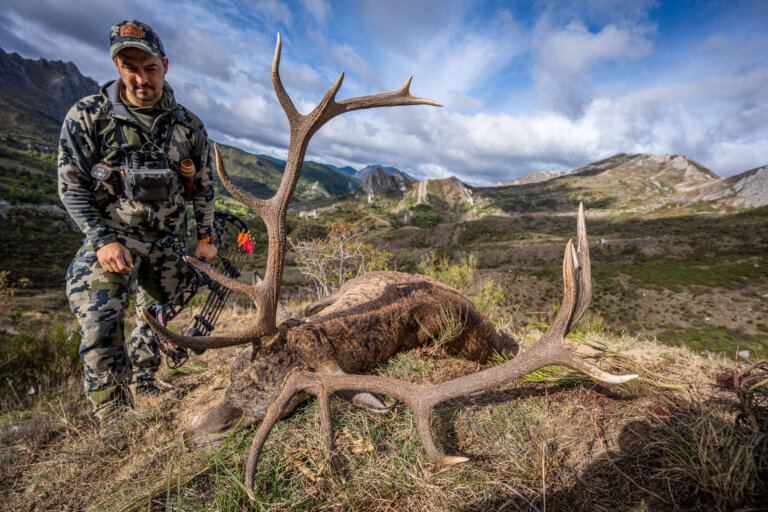
The arrow flies true, striking the stag exactly where I aimed. As he bolts, I stay quiet, listening intently. Ten seconds later, I hear my companions, Samuel and Fernando, shouting excitedly. I rush to my pack for the radio, telling them to quiet down—I’ve just shot the stag, and we don’t want to spook it. Their reply comes back clear: “Pedro, Pedro, listen, it’s dead, it’s dead, the stag is down!” I can hardly believe it.
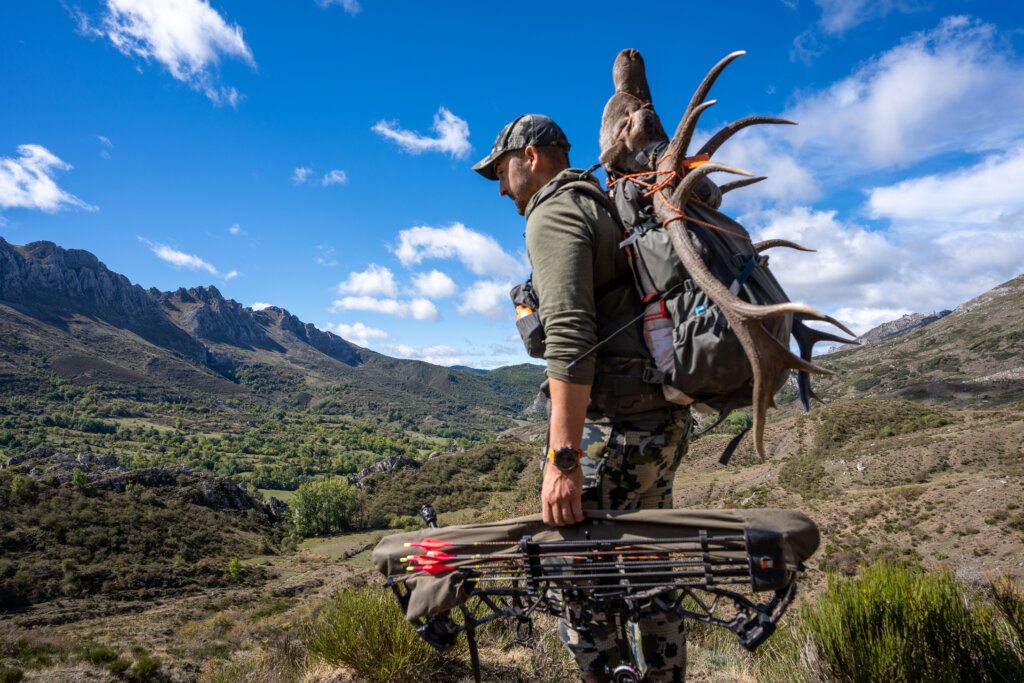
Reflecting on the choice of bowhunting—deliberately complicating the already tough challenge—it’s moments like these, filled with intense emotion, that make all the hardship worthwhile. No other sport can deliver such profound experiences.
It took me three seasons to finally lay hands on this stag. The arrow entered through the hip, passed through the lungs, and stopped at the heart, anchoring in the sternum. I had all day to mentally prepare for that shot. Aggression isn’t the only approach in hunting—quiet perseverance often prevails. Never give up on your dreams.